Navigating Menopause: A Holistic Guide to Thriving Through Change
Menopause is a natural and significant transition in every woman’s life, marking the end of reproductive years. Far from being an endpoint, it’s an opportunity for a renewed focus on well-being and a new chapter of potential. Understanding this journey – its stages, symptoms, and the many ways to manage it – is key to not just surviving, but truly thriving.

Understanding Menopause and Its Stages
Menopause typically occurs between ages 45 and 55 and is defined as 12 consecutive months without a menstrual period. This journey isn’t a sudden event but a process divided into three distinct stages:
- Perimenopause: The transitional phase where hormone levels begin to fluctuate, and symptoms like hot flashes, mood swings, and irregular periods may start.
- Menopause: Officially reached after 12 consecutive months without a menstrual period.
- Post-menopause: The years following menopause, where symptoms may lessen, but risks for conditions like osteoporosis and heart disease increase.
Common symptoms during these stages include hot flashes, night sweats, mood swings, difficulty sleeping, vaginal dryness, and weight changes.
Lifestyle as Your Foundation: Daily Habits for Symptom Management
The good news is that many menopausal symptoms can be significantly mitigated with intentional lifestyle adjustments and self-care strategies.
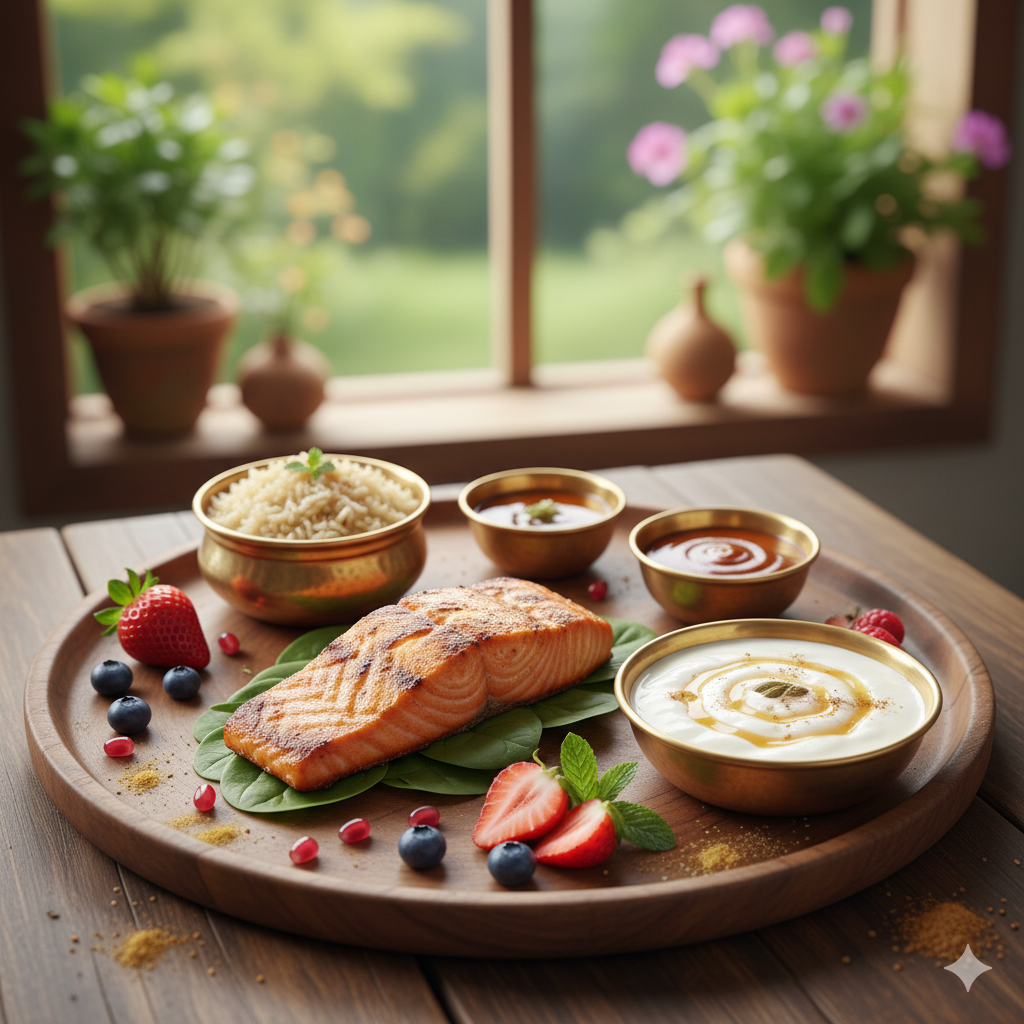
Balanced Diet:
Fuel your body with nutrient-rich foods. Focus on calcium and vitamin D for bone health, lean proteins, and plenty of fruits and vegetables.
Regular Exercise:
Stay active! Weight-bearing activities like walking, dancing, and yoga are crucial for maintaining bone density and boosting mood.

Adequate Sleep:
Prioritize rest. Maintain a consistent sleep schedule, create a cool and dark sleep environment, and limit caffeine and meals before bed.

Additional Lifestyle Strategies:
- Hydration and Skincare: Drink plenty of water to combat dryness from within. Use hydrating skincare products.
- Stress Management: Practice relaxation techniques like meditation, mindfulness, deep breathing, or yoga to support emotional well-being and reduce anxiety.
- Build a Support Network: Connect with family, friends, or support groups to share experiences and reduce feelings of isolation.
Seeking Professional and Holistic Support
If symptoms are severe or significantly disrupt your life, it’s essential to consult a healthcare provider. They can offer tailored solutions.
Managing Specific Symptoms: Targeted Strategies
- Hot Flashes and Night Sweats: Wear light, breathable clothing. Keep your environment cool. Identify and avoid triggers such as spicy foods, caffeine, and alcohol.
- Mood Swings and Emotional Health: Cognitive Behavioral Therapy (CBT), regular exercise, and talking therapies can be very effective.
- Vaginal Dryness: Over-the-counter lubricants and moisturizers can provide relief. Discuss vaginal estrogen treatments with your doctor if necessary.
- Weight Changes: Metabolism can shift during menopause. Maintaining a healthy weight through diet and exercise can reduce the severity of many symptoms.
Medical & Professional Care
- Hormone Replacement Therapy (HRT)
- Non-hormonal medications
- Vaginal estrogen treatments
- Regular bone/heart check-ups
Holistic & Complementary Therapies
- Herbal Supplements (e.g. Black Cohosh)
- Nutraceuticals (Calcium, Vit D)
- Acupuncture & Yoga
- Mindfulness & Meditation
Multidisciplinary Team
- Gynecologists
- Endocrinologists
- Nutritionists
- Exercise Counselors
Personalized care for a confident transition.
Blossom Women’s Clinic: Your Partner in Well-being
Thriving Beyond Menopause: A New Chapter
Menopause is more than just a biological event; it’s an opportunity for empowerment and education. Women who proactively seek information, connect with communities, and consult specialists are better equipped to navigate this stage confidently. It’s about normalizing the experience and reducing any stigma.
Many women report finding greater energy, happiness, and health post-menopause than they anticipated. By adopting healthy habits, building a strong support network, and seeking personalized care, you can transform menopause into a positive, empowering chapter full of potential.